
Right Shoulder Insights
How far each joint can move compared to its normal range.
Left Shoulder
98%
Right Elbow
76%
Right Knee
74%
Lumbar
71%
Right Shoulder
42%
Left Knee
37%
42
Original
Current
Right shoulder:
47%
Left shoulder:
77%
Right Shoulder
Left Shoulder
Movement Score
73
+3
this month
—
No data yet
Your programs
Lower Back Rehab90%
Shoulder Mobility35%
Knee Strength12%
Recommended
For you
Range of Motion
Range of Motion
You are a Balanced mover
Strong foundation — Minor imbalances
Mesomorph · V-shape
Athletic build — balanced muscle
Body Composition
You are a Balanced mover
Strong foundation — Minor imbalances
Posture
78% adherence
12 of 15 sessions done this week
Exercise
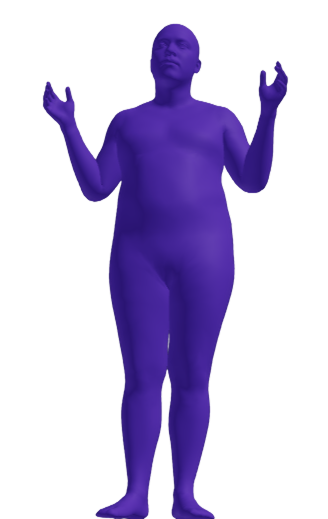
Baseline
Sessions
Body Shape & Composition
Body type
Apple
Pear
Hourglass
Rectangle
Triangle
Carries more around the midsection, with comparatively slimmer hips and legs.
Build
Ectomorph
Mesomorph
Endomorph
Naturally lean build that tends to stay slim.
Ectomorphy7.0
Mesomorphy1.7
Endomorphy5.0
Energy & Metabolism
1,300kcal
Resting metabolic rate
Roughly what your body uses just to keep you running, at complete rest.
2,015kcal
Daily energy estimate
An estimate of your total daily use, including everyday activity.
Where You Carry Fat
| Area | Fat in this area |
|---|---|
| Chest | Less than typical |
| Waist / midsection | Less than typical |
| Hips | Less than typical |
| Thighs | Less than typical |
| Upper arms | Less than typical |
Your Body Composition Persona
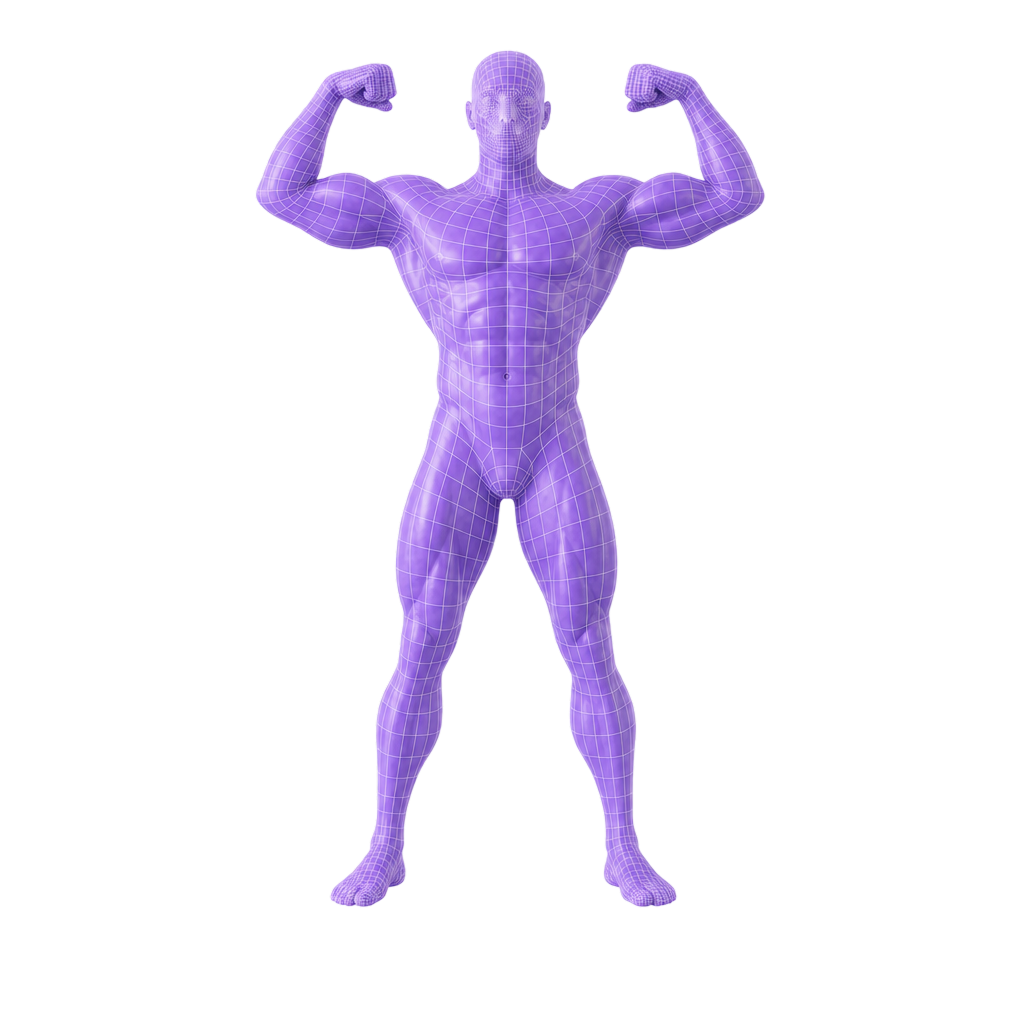
Sculpted Dynamo
Lean and muscular, with a strong athletic engine.
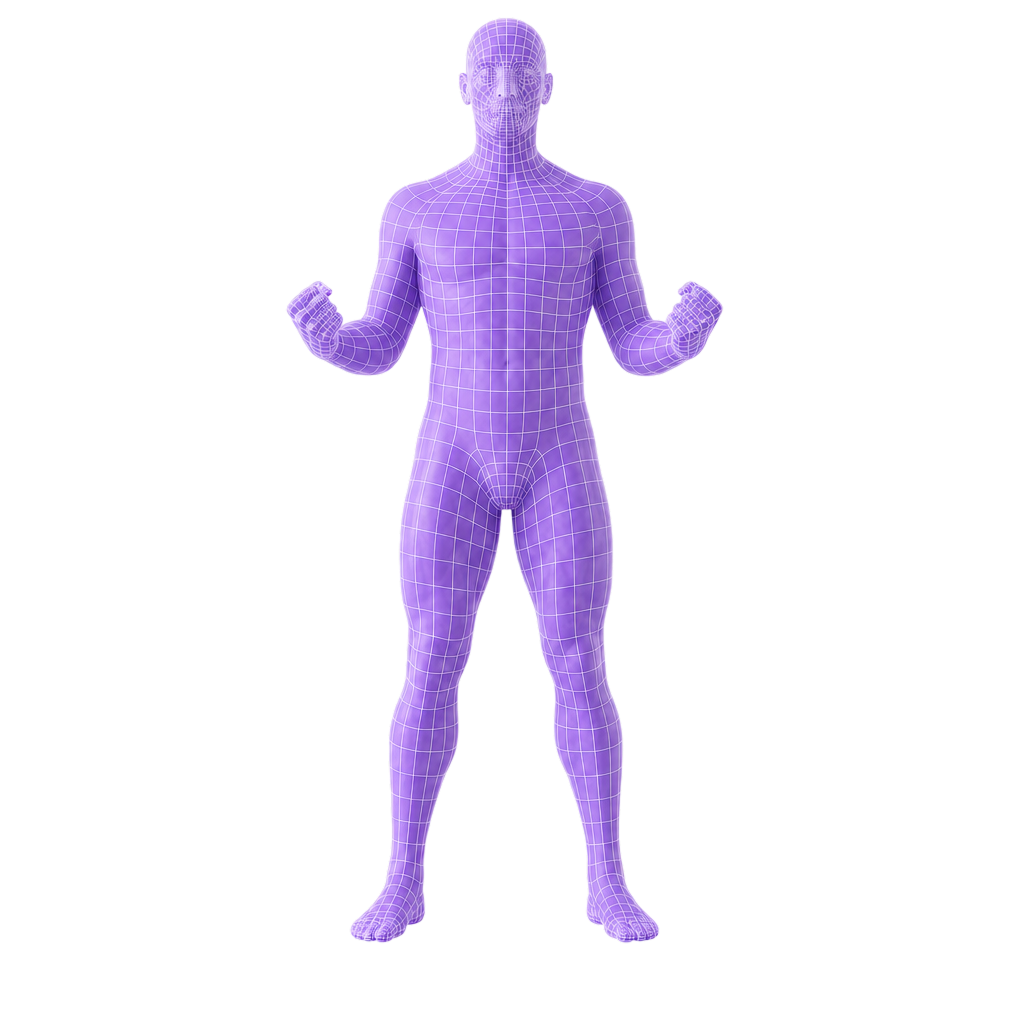
Solid Powerhouse
Fit and firm: healthy low fat with visible tone.
You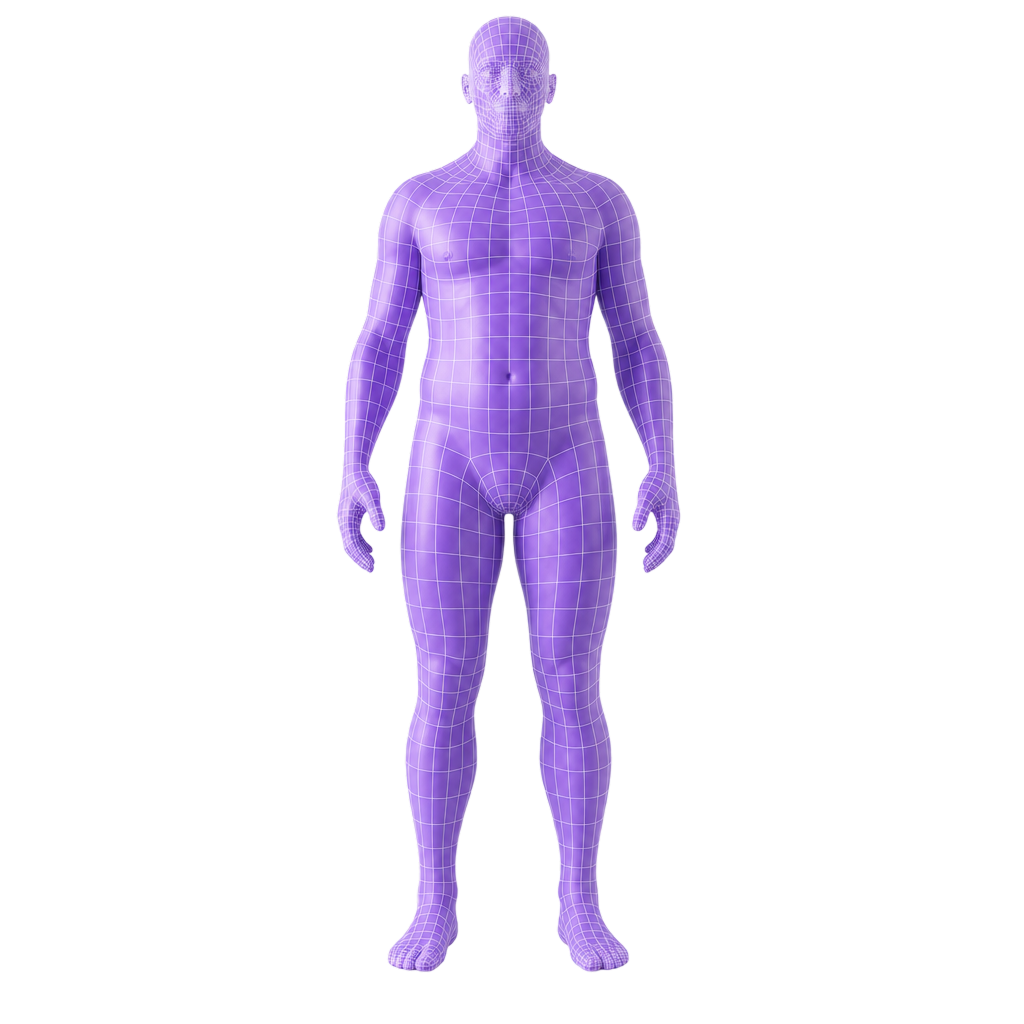
Grounded Builder
Right in the healthy zone, with a solid base to build on.
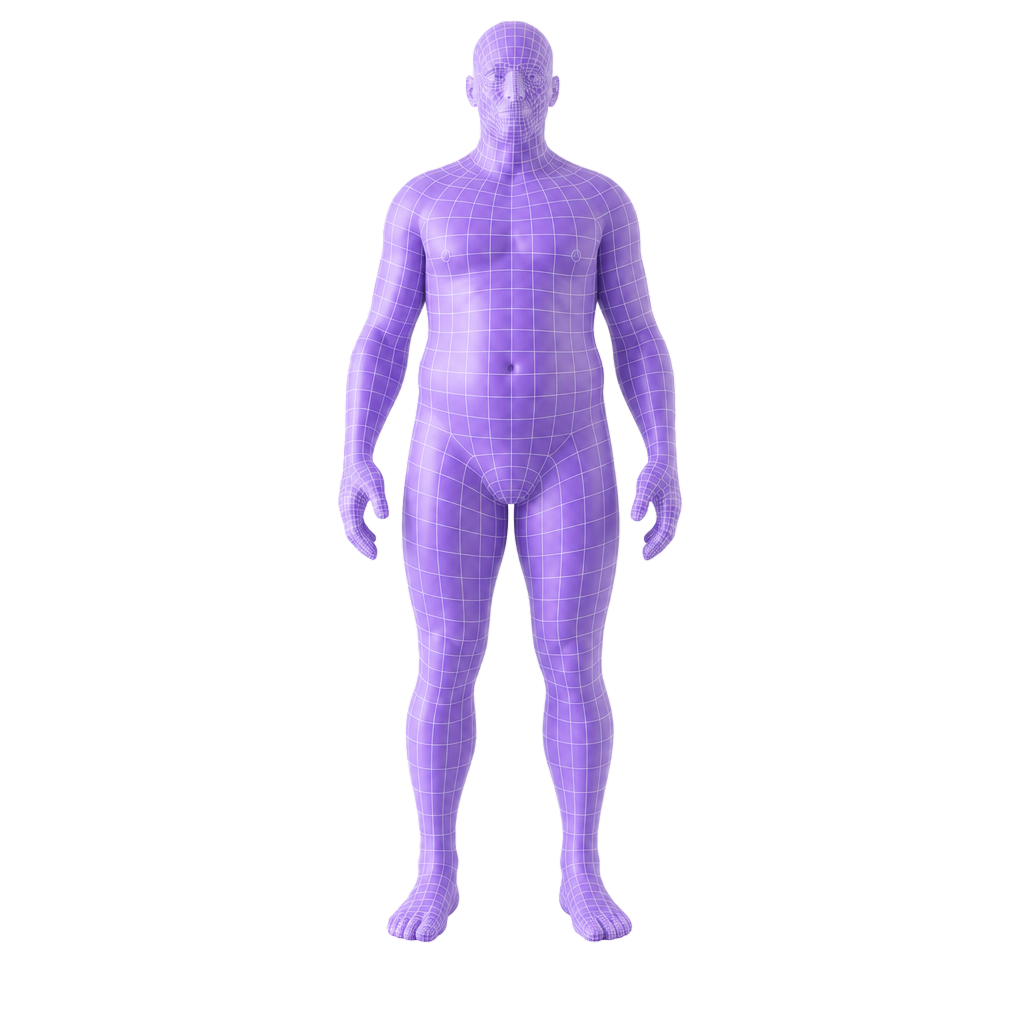
Rising Strider
A bit more fat than ideal, with real strength underneath.
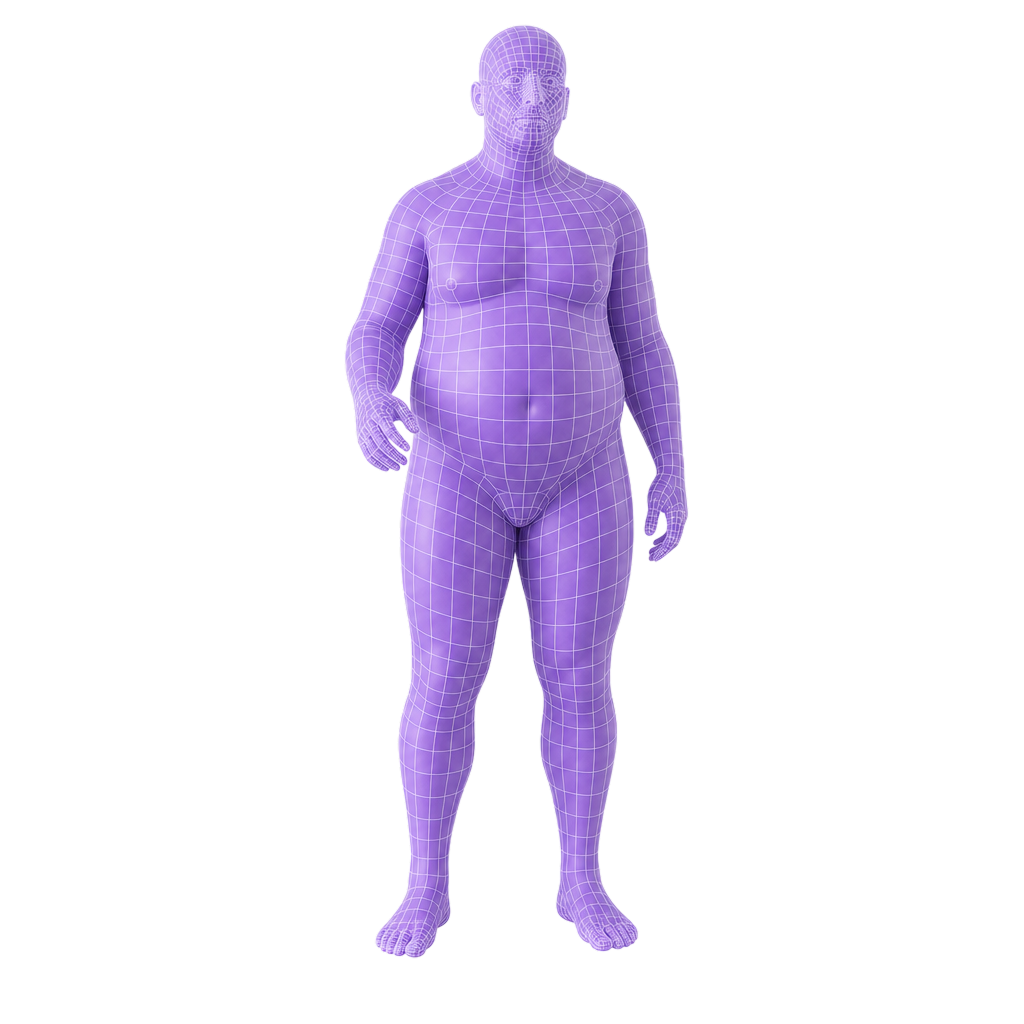
Bold Transformer
Higher body fat, and primed to respond to real change.
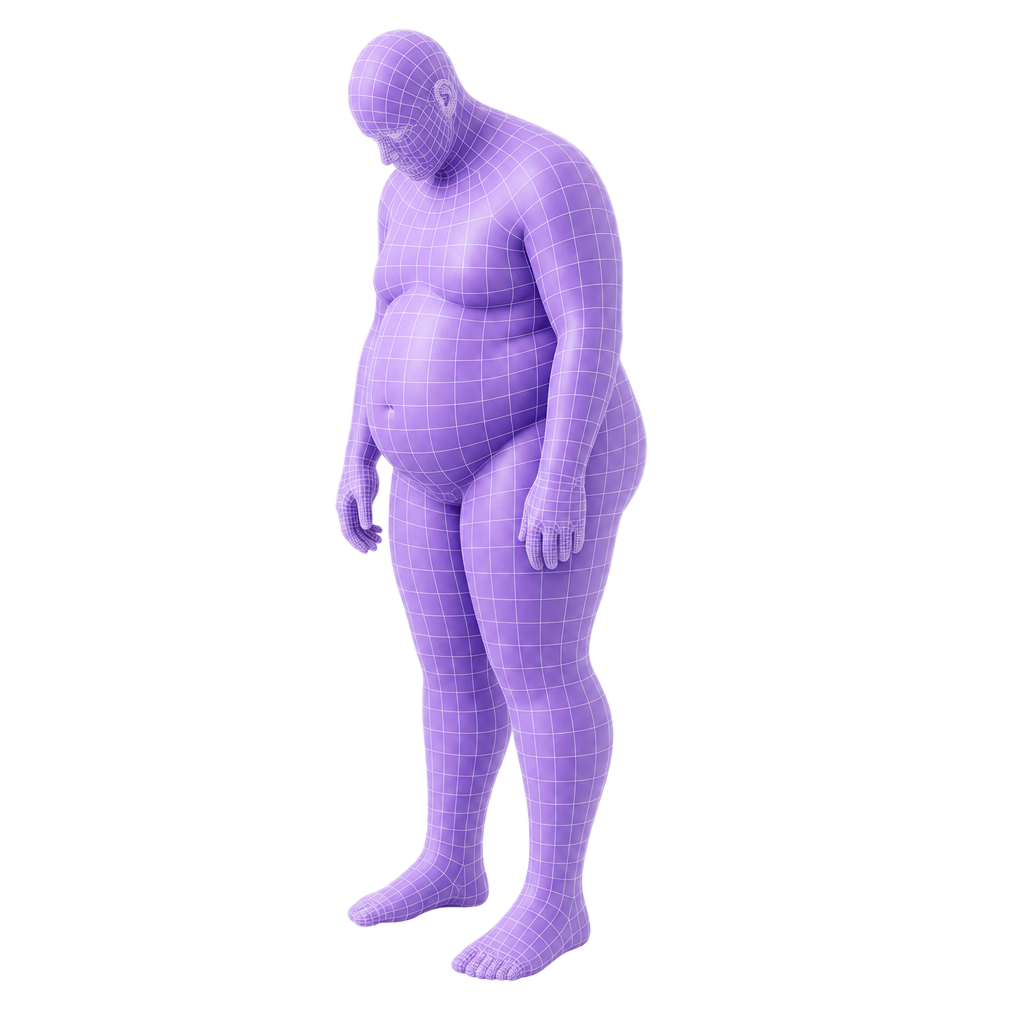
Resolute Trailblazer
The start of a powerful journey — small habits, big wins.
Recommended Programs
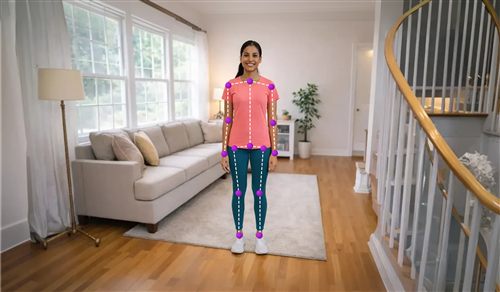
Comprehensive Torso Mobility Assessment
Focused Lumbar Scan
Focused Spinal Alignment Check
Fat Reduction Preview
See how your body and your health markers could change at a different weight — drag the slider to explore.
Current · 100 lb
Healthy band · 107.8 lb – 145.1 lbⓘ
Fat concentration
High — well above gender norm
Moderate — somewhat above norm
Normal — within range
Exercise
Worked regions
Exercise activity mapped on the body
Sessions
Date
Program
Exercises
Difficulty
Status
Activity this month
with data no recordYour Movement Persona
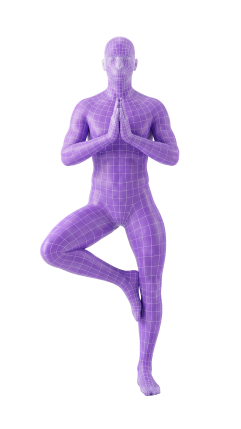
The Agile Achiever
Postural harmony & movement excellence.
You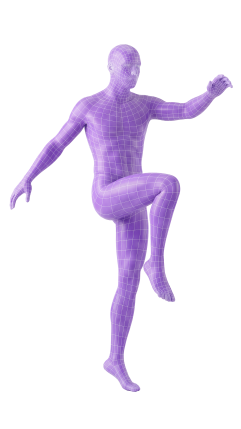
The Balanced Mover
Strong foundation with minor imbalances.
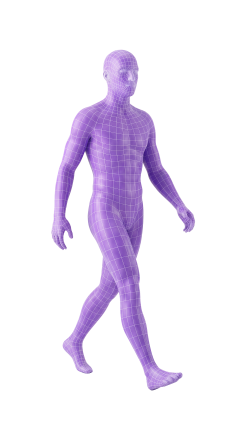
The Compensating Contender
Managing imbalances with smart adaptation.
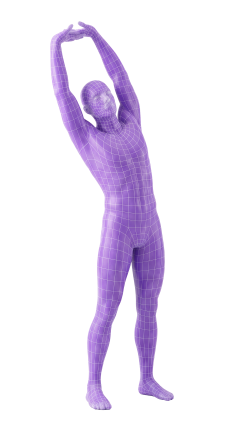
The Stiff Struggler
Pronounced restrictions; stiff, awkward movement.
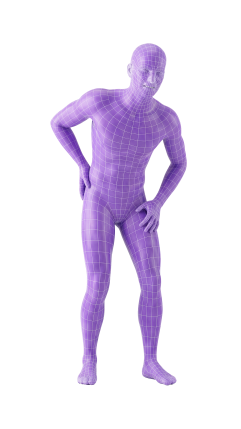
The Collapsed Coper
Signs of postural collapse; movement lacks control.
Posture Score
Latest scan
Jul 2, 2026 · 9:12 AM
Sessions
4 scans
Jul 2, 2026 · 9:12 AM
Complete
Jun 18, 2026 · 8:40 AM
Complete
Jun 4, 2026 · 10:05 AM
Incomplete
May 20, 2026 · 9:30 AM
Complete
Head tiltOptimal
1.8°right
Shoulder levelWatch
2.4°left high
Pelvic tiltOptimal
3.1°anterior
Forward headWatch
2.6cm
Knee alignmentOptimal
1.2°valgus
Ankle pronationHigh
4.0°right
Your Movement Persona
The Agile Achiever
Postural harmony & movement excellence.
You
The Balanced Mover
Strong foundation with minor imbalances.
The Compensating Contender
Managing imbalances with smart adaptation.
The Stiff Struggler
Pronounced restrictions; stiff, awkward movement.
The Collapsed Coper
Signs of postural collapse; movement lacks control.
Postural Deviations
Head89%
Shoulder84%
Upper body78%
Pelvis71%
Knee88%
Ankle80%
Range of Motion
Latest assessment
Jun 28, 2026 · 11:20 AM
Assessments
4 assessments
Jun 28, 2026 · 11:20 AM
Complete
Jun 12, 2026 · 4:45 PM
Complete
May 30, 2026 · 9:00 AM
Invalid
May 14, 2026 · 10:30 AM
Complete
Right ShoulderLow
42%of normal
Left KneeLow
37%of normal
LumbarWatch
71%of normal
HipsWatch
75%of normal
Head & neckOptimal
82%of normal
ChestOptimal
88%of normal
Left / Right Asymmetry
ShouldersL 98% · R 42%Δ 56%
KneesL 37% · R 74%Δ 37%
ElbowsL 84% · R 80%Δ 4%
AnklesL 85% · R 88%Δ 3%
WristsL 88% · R 90%Δ 2%
Your Movement Persona
The Agile Achiever
Postural harmony & movement excellence.
You
The Balanced Mover
Strong foundation with minor imbalances.
The Compensating Contender
Managing imbalances with smart adaptation.
The Stiff Struggler
Pronounced restrictions; stiff, awkward movement.
The Collapsed Coper
Signs of postural collapse; movement lacks control.
Joint Ranges
Left Knee37%
Right Shoulder42%
Lumbar71%
Right Knee74%
Hips75%
Right Elbow80%
Head & neck82%
Left Shoulder98%
Pain map
Tap a highlighted area for detail
Your Programs
Lower Back Rehab
90% ActiveShoulder Mobility
35% ActivePosture Foundation
35% PausedKnee Strength & Stability
12% ActiveLower Back Rehab
Ease lumbar pain and rebuild core support with daily mobility work.
Shoulder Mobility
Restore overhead range and relieve stiffness from desk posture.
Knee Strength & Stability
Strengthen quads and stabilisers to protect the knee joint.
Reported Pain Areas
Right Shoulder6/10
Lower Back5/10
Right Knee3/10
Left Shoulder2/10
Left Knee1/10
Right Shoulder
Current pain level
6/ 10
Pain history
Last 8 weeks
Recommended programs
Your Movement Persona
The Agile Achiever
Postural harmony & movement excellence.
You
The Balanced Mover
Strong foundation with minor imbalances.
The Compensating Contender
Managing imbalances with smart adaptation.
The Stiff Struggler
Pronounced restrictions; stiff, awkward movement.
The Collapsed Coper
Signs of postural collapse; movement lacks control.
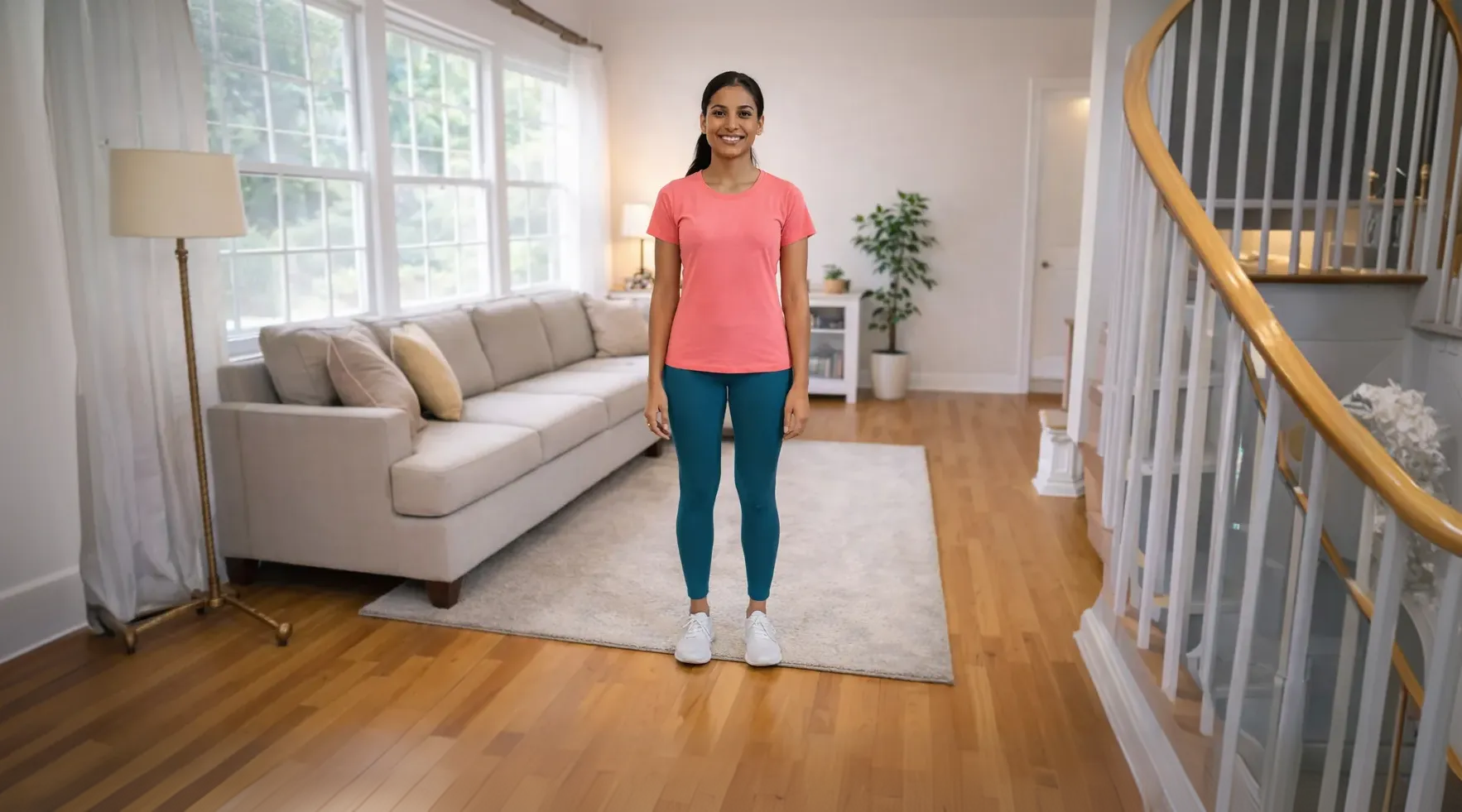
How difficult was it for you to complete each exercise?
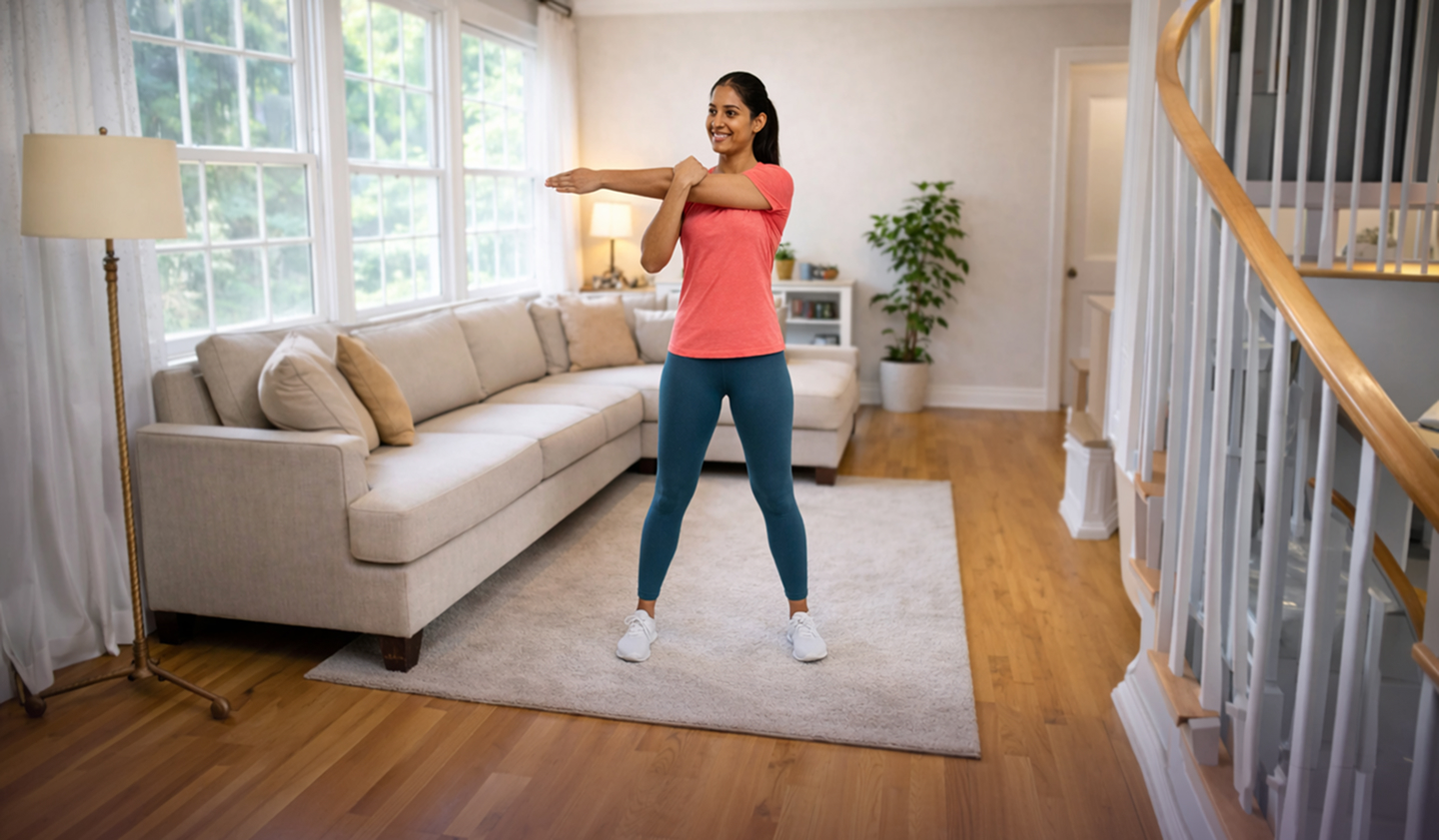
Pendulum Swings - Right
Arm Circles - Clockwise
Wrist Rotations - Left
Ankle Pumps - Seated
Body Areas Worked
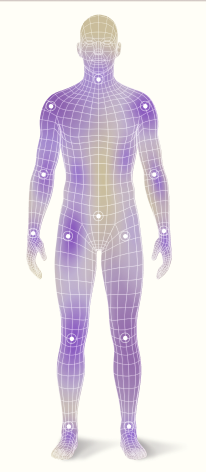
Time per region
Right Shoulder24% of session
18 liftsthis session
7 minfocused here
Time Spent
18 min
Total this week: 54 min
+6 min
Actions Taken
42 actions
Arm raises, rotations & pumps
+8
Avg. Difficulty
–
Rate your exercises first
Pending
Session Score
82
Completion, effort & consistency
+5
Program Progress80%
20 / 25 Exercises completed

Alex Martins Ferrari
alex@email.com
Birth
Oct 5, 1990
Height
5.5 Ft
Weight
64 kg
Gender
Male
Region Overview
Head
Shoulders
Upper Body
Pelvis
Knees
ForwardAligned
The Balanced mover
Strong foundation · Minor ImbalancesYour posture is generally good, with just a few subtle deviations — often due to modern habits like long sitting or repetitive tasks. You're stable and functional, but there's room to improve your efficiency and comfort.
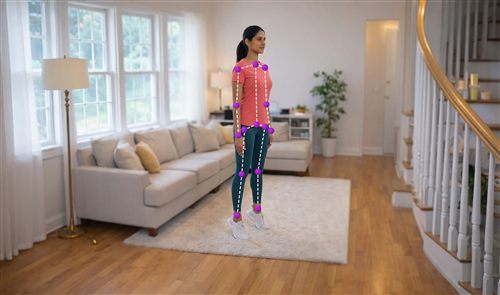
Your posture at every angle
Front
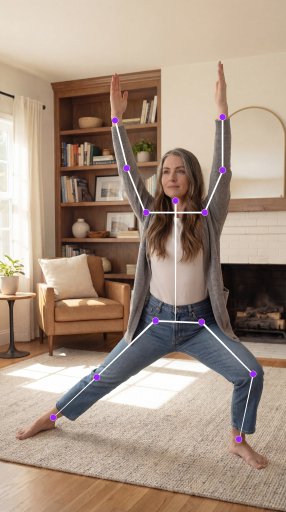
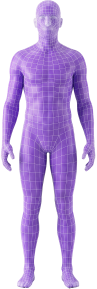
What this means: Your shoulders sit forward instead of staying in line with your ears and hips, giving a slouched appearance.
What it may cause: Neck tightness, upper-back pain, shoulder stiffness, and fatigue while sitting or standing.
What helps: Posture correction exercises, stretching tight chest muscles, strengthening the upper back, and reducing long hours of slouched sitting or screen use.
What this means: Your head sits ahead of your shoulders, adding load to the neck and upper back.
What helps: Chin tucks, upper-back strengthening and frequent screen breaks.
What this means: The upper back curves forward more than usual, rounding the spine.
What helps: Thoracic extension work, rows and chest-opening stretches.
Back
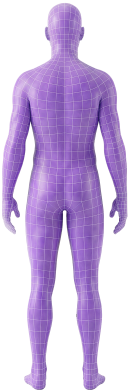
What this means: Your shoulders sit forward instead of staying in line with your ears and hips, giving a slouched appearance.
What helps: Posture correction exercises and upper-back strengthening.
What this means: Your head sits ahead of your shoulders, adding load to the neck and upper back.
What helps: Chin tucks, upper-back strengthening and frequent screen breaks.
What this means: The upper back curves forward more than usual, rounding the spine.
What helps: Thoracic extension work, rows and chest-opening stretches.
Left
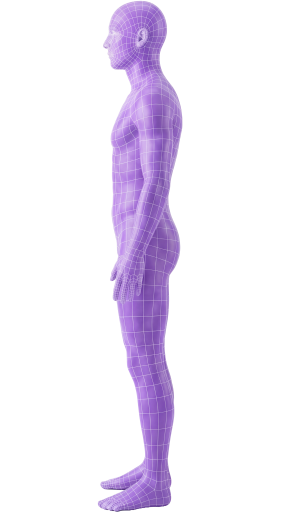
What this means: Your shoulders sit forward instead of staying in line with your ears and hips, giving a slouched appearance.
What helps: Posture correction exercises and upper-back strengthening.
What this means: Your head sits ahead of your shoulders instead of in line with them, adding load to the neck and upper back.
What it may cause: Neck tightness, upper-back pain, shoulder stiffness, and fatigue while sitting or standing.
What helps: Chin tucks, strengthening the deep neck flexors, and reducing long hours of slouched sitting or screen use.
What this means: The upper back curves forward more than usual, rounding the spine.
What helps: Thoracic extension work, rows and chest-opening stretches.
Right
What this means: Your shoulders sit forward instead of staying in line with your ears and hips, giving a slouched appearance.
What it may cause: Neck tightness, upper-back pain, shoulder stiffness, and fatigue while sitting or standing.
What helps: Posture correction exercises, stretching tight chest muscles, strengthening the upper back, and reducing long hours of slouched sitting or screen use.
What this means: Your head sits ahead of your shoulders, adding load to the neck and upper back.
What helps: Chin tucks, upper-back strengthening and frequent screen breaks.
Did you know?
Improving your joint mobility not only relieves pain but also boosts posture, balance and energy levels.
Spinal health
Reduces strain on joints, discs, and muscles.
Energy levels
Less fatigue from overworked or imbalanced muscles.
Breathing & Circulation
Allow lungs and diaphragm to expand fully.
Efficient movement
Makes walking, lifting and exercising easier.
Pain prevention
Helps avoid neck, back, and joint pain from poor mechanics.
Your Movement Persona
The Agile Achiever
Postural harmony & Movement excellence
Excellent alignment and free, confident movement — keep reinforcing your strong habits.
You
The Balanced Mover
Strong foundation with minor imbalances
Your posture is generally good, with just a few subtle deviations — often due to modern habits like long sitting or repetitive tasks.
The Compensating Contender
Managing imbalances with smart adaptation
Your body is working hard to stay functional, but it's relying on compensation patterns that can cause fatigue over time.
The Stiff Struggler
Pronounced restrictions
Your posture shows more pronounced restrictions, often leading to stiff, awkward movement and chronic discomfort.
The Collapsed Coper
When support systems are failing
Your body shows signs of postural collapse. Daily tasks may feel fatiguing, and movement lacks control.
Recommended Programs
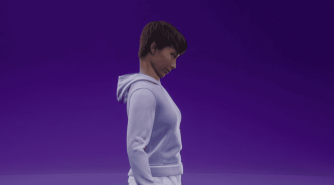
Advanced mid back strengthening
An advanced mid-back strengthening program focused on the muscles of the thoracic spine and surrounding areas, such as the rhomboids.
Shoulder opener series
Chest-opening stretches and scapular control drills to bring rounded shoulders back in line.
Neck reset routine
Daily chin tucks and deep-neck-flexor work to ease forward head posture and neck fatigue.
Thoracic mobility flow
Extension and rotation flows that open the upper back and counter a rounded spine.
Body Composition Report
Captured automatically during your cooldown. Your full body composition analysis will appear here.